What are secondary glazed windows?

Secondary glazing has recently grown in popularity due to its unique capabilities to reduce noise, improve heat retention and prevent drafts. 

But what is secondary glazing? 

In this blog post we will cover; 

  • What secondary glazing is
  • The benefits of secondary glazing 

What is secondary glazing?

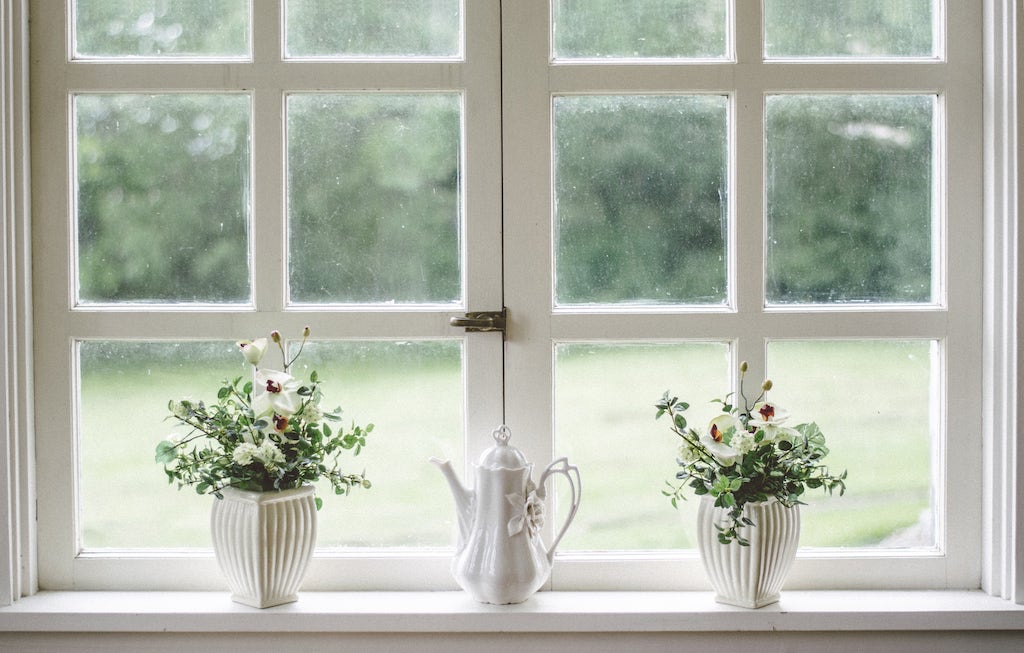
Secondary glazing involves fitting an internal window in addition to your existing, single, double or triple glazed window. It is the perfect option if you live in a historic property or listed building where the windows cannot be double glazed. Traditional windows can often be tired and the cause of cold spots, which is why we recommend secondary double glazing. 

What are the benefits of secondary glazing?

There are many benefits to secondary glazed windows, some of which being:

  • Noise reduction
  • Draft reduction
  • Additional security 
  • Condensation control 
  • Reduced carbon footprint

If you’re considering secondary glazing, here are some tips we advise before purchasing. 

Sound insulation

If you live near a busy road or airport, secondary glazed windows are a perfect way to reduce noise pollution. This is a cheaper way to improve your home, especially for older properties that have single-pane windows. If you’re looking to use secondary glazing as a way to sound-proof your home, we advise using a different glass thickness than that of your current window. 

Thermal insulation

Windows are prime areas where heat can be lost. The thermally toughened secondary glass acts as double glazing which can reduce heat emissions and improve your carbon footprint.  When it comes to saving energy, secondary glazing may be a good option. You can specify ordinary Float or Toughened glass, or for even better thermal performance specify – Pilkington ‘K’ low E glass.

If you feel that your property could benefit from secondary glazing, take a look at our range of uPVC windows online. For other enquiries regarding our services feel free to get in touch.

Top 5 Things To Do In Salisbury

In this blog post, we cover the top 5 things to do in Salisbury and why we believe that it is one of the best towns in Wiltshire. 

The top 5 things to do in Wiltshire  are;

  1. Salisbury Cathedral and Magna Carta 
  2. Old Sarum
  3. Boscombe Down Aviation Collection 
  4. Mompesson House
  5. The close 

Salisbury Cathedral and Magna Carta

 Home to one of the most celebrated documents in English history – the Magna Carta – Salisbury Cathedral is an architectural masterpiece and is one of only nine cathedrals to have its own works yard employing highly skilled artisans to preserve the building. If you are a person who enjoys history, this is the place to visit. 

Old Sarum

Known as one of the earliest English settlements, Old Sarum is great fun family day out. Climb the ramparts for views over the Wiltshire plains or stand in the footprint of Salisbury’s original cathedral – Old Sarum offers over 2000 years of history for the whole family to sink their teeth into.

Boscombe Down Aviation Collection

For those interested in wartime history, the Boscombe Down Aviation collection is the perfect place to experience life in the war. The museum holds a collection of aircraft, cockpits, replicas and model weapons to illustrate the story of the fight to flight during the First World War. 

Mompesson House

Named after Charles Mompesson, Mompesson House a 300-year-old 18th-century townhouse in the heart of Salisbury’s Cathedral Close. Escape the hustle and the bustle of the city and relax in the gardens or get lost wandering around the house. There are plenty of things to see and do!

The Close

If you are looking to experience England in its true British form, the Cathedral Close in Salisbury is home to a collection of amazing British architecture. The trail takes around 40 minutes and provides views of the stunning Cathedral, Mompesson House and the King’s house. A perfect way to blow off some cobwebs during the winter months! 

Ready to experience Salisbury?

Spire Glass has been serving Salisbury for a number of years providing high-quality Liniar double glazing for both modern and traditional properties. Our expert team are always on hand to offer professional advice and guidance on your next home improvement. Take a look at our range of uPVC Windows and doors.  

Photo by JackPeasePhotography.

How long do uPVC windows last

uPVC windows offer a number of benefits to your home. Aside from looking great, they are also energy efficient and offer enhanced soundproofing for your home. But one of the key benefits to uPVC is its durability. But how long should your uPVC windows last? And how do you know when they need to be replaced? 

How long should your windows last? 

The durability of your windows will depend on a number of factors, the most important of which is the materials from which they are constructed. High-quality windows should last as long as 20 years before they need to be replaced. However, although the window frames may maintain their integrity for this length of time, lower quality windows may start to discolour and begin to yellow. In lower-quality frames, this can occur in as little as five years. 

How to tell when your windows need to be replaced

Although windows will typically last for 20 years, it’s not simply a case of replacing your windows 20 years after they have been installed. If you move into a home that has poor quality windows installed or if they were incorrectly installed in the first place, there’s a chance they may not last the full 20 years. Here are some things to look out for in order to determine whether your windows need to be replaced: 

  • Condensation is appearing inside the double glazing unit. Some condensation on the inside of the glass is normal. However, if it is appearing consistently or appears in between the planes of glass, this is a sign that the unit has failed and needs to be replaced. 
  • Drafts. Feel around the window frames for any air ingress. Another way to detect a draft is with an incense stick; if the smoke wavers, that’s an indicator there’s a draft coming through the frame and it will need to be replaced. 
  • Damage. Some damage can be detected visually and will be obvious. Other signs may be less obvious but if you’re struggling to open and close the window, it will likely need to be replaced. 
  • Energy bills are rising inexplicably. If you’ve noticed a spike in your energy bills, it’s a good chance your windows need to be replaced as the insulation properties of the window have been compromised. 

At Spire Glass, we supply the highest quality uPVC windows and install them to the highest standard, ensuring you can enjoy the benefits of your new uPVC windows for years to come.

To find out more, take a look at our full range of uPVC windows and Aluminium double glazed doors.

Why choose a FENSA approved installer?

With FENSA you can put all your worries behind you – “Do my windows and doors comply with building regulations? Are they registered with the local council?”

FENSA 100% comply with all building regulations and register their replacement windows with the local council, allowing double glazing specialists to focus on installing the windows and frames.

To find out more about the products available from Spire Glass, check out our windows, doors and glazing services.

Watch our video on why you should choose a FENSA approved installer to install your double glazing windows, doors and conservatories.


5 signs that your windows need replacing

There are many benefits to installing new windows in your home, from the stylish attractive finish they give to your home, not to mention the financial and environmental benefits that come with energy efficiency. And uPVC windows, in particular, are designed to last for a long time, with minimum maintenance. But nothing lasts forever and sooner or later, those windows will need to be replaced. 

Here are some of the warning signs that it’s time to replace one or all of your windows. 

Condensation 

Condensation on the inside of your window is not necessarily a cause for concern. This is caused when the warm air inside your home hits the cold pane of glass and the moisture in the air condenses.

It is common in kitchens and bathrooms but can be seen in other rooms in the house, particularly during the winter. However, condensation on the inside of the unit is a sign that the unit itself has failed and needs to be replaced. This is because the warm air in your home is getting into the cavity between the panes of glass through a leak in the seal. 

Operation 

If your window is difficult to open or becomes jammed, this is a sign that the frame is warped out of shape. If this is the case, your window will almost certainly be allowing cold air. At the very least, you want to be able to open and close your windows effortlessly and the inability to do so means you should look at replacing your windows. 

High energy bills 

Have your energy bills suddenly gone up? A contributing factor could well be your windows. If the warm air is being allowed to escape through your windows, your heating will be working harder to maintain the temperature. Check your windows for draughts by holding a lit match or incense stick close to the frame. If the flame or smoke moves, that indicates there is a draught and the window needs to be repaired or replaced. 

Leaks 

If you’re noticing moisture inside your window frame, this indicates that the seal has failed and is allowing rain and moisture into the home. If this is the case, then your window will certainly need to be repaired or replaced. Failure to do so could lead to damp problems in the home and rising energy bills. 

Soundproofing 

Have you noticed the neighbours’ kids making a lot more noise lately? Or perhaps the traffic is more obtrusive than it used to be? This is a good sign that your windows need to be replaced with some new ones in order to keep your home quiet.

At Spire Glass, we offer a wide range of windows and doors to suit every home and budget. Take a look at our double glazed windows to see how we can help you keep your home stylish and warm.

Benefits of uPVC Windows and Doors

If you’re looking at replacing your windows or doors, you may well have encountered several different frame materials. By far the most popular choice among homeowners is uPVC. But what makes uPVC such a popular choice? And what are the benefits of choosing uPVC windows and doors over other material types? Here are some of the key benefits of uPVC. 

Choice of style 

Gone are the days where uPVC windows and doors were only available in white. Now you can choose from a wide range of finishes, including a wide selection of wood grain effects. You can also choose from a range of shapes and designs, enabling you to find a style which best fits your home. 

Security 

uPVC frames offer exceptional security. They are strong and durable and are available with a choice of locking mechanisms. The double glazing also makes the windows far more difficult to break, further preventing an intruder from gaining access to your home. 

Energy Efficiency 

When correctly installed, uPVC is a low conductor of heat, making it ideal at keeping the heat in your home where it belongs. Additionally, seals around the frames prevent drafts from entering your home and heat from escaping. 

Low Maintenance and Durability 

Unlike most timber frames which require regular sanding and staining, uPVC windows and doors require very little effort to keep from ageing. Simply wipe them down regularly with warm soapy water, and they will remain fresh for years. 

Additionally, uPVC is extremely weather resistant and is not affected by rot or corrosion. Great for keeping those double glazed doors looking like new!

Soundproofing 

Double glazing helps to soundproof your home by creating more material for the sound to pass through. uPVC frames enhance the soundproofing effect and could reduce the sound entering your home by as much as 50% compared with other material types. 

At Spire Glass, we provide quality, affordable uPVC double glazing and expert installation. Interested in a new window or door? Use our online window and door quote tool to design your new window/door and get a price.

Win £1,000 worth of doors and windows!

To celebrate the launch of our brand new showroom, we’re giving the people of Salisbury the chance to drastically improve their home for free!

You could win a £1,000 voucher to spend with Spire Glass on the massive selection of doors and windows we have on offer.

In order to win, all you have to do is enter the competition by liking and commenting on the Facebook competition post! Contestants MUST be a homeowner and live within 35 miles of our office.

The new showroom features a variety of doors, bifolds and sliding doors to look through – maybe you’ll be the one to choose from them using your £1,000 voucher.

Entries Close 30th June 2019 11.59pm and the winner will be chosen soon afterwards at random!

You can see our terms and conditions here.

Good luck!

How do Windows Reduce Noise?

If you live in a built-up area, near a busy road or railway line, it’s likely that external noise will have become a bit of a nuisance over time. One of the best ways to block out noise pollution is by introducing double glazing to your property. But how does double-glazing help to keep out the noise? And why is some double glazing better than others? This article goes into how double-glazing works to reduce noise and what to look for when buying double-glazing for that purpose.

How sound travels

To understand how sound insulation works, it’s important to first understand how sound enters your home in the first place. Sound is transmitted through sound waves, tiny vibrations, which pass from the source of the sound to our ears. In order for the sound waves to reach our ears, it requires material to pass through, one of which is the glass and surrounding structure of your windows.

How windows reduce sound

Sound travels more quickly through solid materials and liquids than through gases, and the denser the gas, the more difficult it is for the sound to get through. As window-panes are solid glass, they are therefore, alone, less impactful at reducing the sound than you might expect. Double and triple glazed windows, however, have cavities between the panes of glass filled with either air or denser gas. This creates a natural barrier to the sound, softening the waves considerably before they enter the home.

Varying thickness

The thickness of the window-pane will affect which frequencies of sound get blocked out; soundwaves outside this frequency will still pass through. So double glazed windows with two panes the same thickness will still only block out the one frequency of sound. However, by varying the thickness of the panes, you can capture more of the sound’s frequency range, with the first pane capturing one frequency and the next pane capturing another. This dramatically reduces the amount of sound entering your home. It is also possible to get windows specifically designed for certain types of sound, for instance traffic noise, that transmit at a certain frequency.

Other methods

There are other methods employed to reduce sound, however, these are less effective than varying the thickness of the glass and can impact the cost of the windows significantly. These include:

  • A larger gap between panes. This creates greater area for the sound to travel through, however, a gap of 60mm or more is required before the impact is noticeable and this is seldom practical.
  • Krypton-filled units. Filling the space between panes with Krypton gas, rather than air or argon also helps to slow the sound travel. However the impact rarely justifies the cost of including the gas.
  • Noise Reducing laminate. Adding a laminate coating to glass can have a similar impact to varying the thickness of the glass, without the need for multiple panes.

For further information or to discuss your requirements with our team, fill out our contact form and a member of the Spire Glass team will be in touch to discuss your needs.

How to fix common double glazing problems

Whilst double glazing brings a number of benefits, like increased home energy efficiency and warmth, there are some common problems to watch out for. In this article, we take a look at some of the common problems you may experience with double glazing and how to fix them.

Condensation issues on the window

Unfortunately, double glazing windows do not mean that condensation can never occur. In fact, for some homes, it can be pretty prominent.

As double glazing windows are designed to seal and protect your home from the outside elements from seeping through, it can also cause any moisture in your home to be trapped. The warmer air in your home can condensate on your windows more frequently on colder days.

Now, condensation on your windows doesn’t necessarily mean that there’s an issue with your uPVC windows themselves – it simply means that there is inadequate ventilation. Forgetting to open the window after a shower is one of the most obvious, yet it is an accidental way people contribute to the condensation forming on their windows. However, general moisture in the air can still cause a condensation problem.

Being the most common feature of modern windows, through-frame trickle vents are designed to allow a constant flow of fresh air. When opened, the air-flow will help reduce condensation forming on your windows.

Mould on window frames

Just like condensation, mould forms when there isn’t enough ventilation in environments where there is a lot of moisture in the air. Like mentioned above in the previous point, trickle vents on a window are a great way to allow the damp air to escape.

Mist on the windows

One problem people overlook is when their windows become misty.

When double glazing windows are in good condition they will have multiple barriers to prevent warm air inside your home escaping and the cold air coming in. Typically, the glass panes will have argon gas in between the glass to insulate the window. If the mist is forming over your glass, it is an indication that moisture has seeped into the insulating barrier.

If moisture has gotten into your glass unit, it is wise to get a window replacement.

Discoloured frames

Discolouration on your window frames can occur due to the pollution in the air and being in direct sunlight. Cleaning with any harsh chemicals or rough cleaning materials can cause the material’s surface to deteriorate faster.

If you notice any damage on your frame, discolouration is the follow on effects of the damage, we strongly recommend you look into a replacement window. The reason being is the frames are the part of the structure that keeps the window together – therefore, any issues with the frames can cause later issues with the window’s energy efficiency.
If you have any enquiries, please feel free to get in contact with us.

3 ways to boost the value of your home

With house prices rising across the country due to the renewed confidence in the economy, now is a good time to make sure that your house is getting the best possible price if you’re looking to sell.

In this blog post, we’ll share 3 ways you can increase the price of your house.

Front door

Buyers will make their first impression of your house from the kerb. This is why kerb appeal is important. A lot of buyers and property valuation experts will make judgements about how much a house is potentially worth from their first impression. Give them high expectations!

A whole new front door may not be needed if it can be refreshed with a new layer of paint and a new door number.

However, if the door is old or has marks which cannot be repaired then it would be wise to invest in a door. Modern doors are more energy efficient as well as being more durable.

When buying a new door there are 2 popular choices; composite and uPVC. Composite is more expensive than uPVC but has a wooden texture, it can add style to the house. uPVC comes in a range of colours but not textures.

For a guide on buying a door that is suited for you, read our post on the difference between composite and uPVC doors.

Front doors are good for making a great first impression but windows are the second things buyers and valuers notice after the door.

Replace Windows

Increasingly savvy home buyers are looking for properties with energy efficiency features such as double glazed windows. The lack of double glazed windows can mean that the home buyer will need to spend money to upgrade the property.

When upgrading the windows, adhering to current building regulations will be straightforward and the glazer will take care of most it. However, for listed buildings or homes in a conservation area, there are certain restrictions such as uPVC windows not being allowed.

Similar to doors, windows can come in a selection of materials; aluminium, wood and uPVC. Each of which has different properties but are significantly better than single plane windows.

Aluminium and uPVC window frames are typically suited for modern houses and offer excellent durability.

Conservatory

Conservatories are a popular choice for increasing the property value of a house due to the fact that most will not require planning permission but checking beforehand is prudent.

Choosing the right conservatory for your home is crucial in making sure that your property price rises. One of those considerations is style. If your property is traditional then a conservatory that complements the look would be advised. A modern conservatory would look out of place.

Another consideration is choosing the size of the conservatory wisely. Whilst this will be restricted by planning permission it can also be easily extended. The main area to be mindful of is the garden.

A conservatory can be further complemented if your house is facing south which will give you a generous amount of sunlight and an excellent view into the garden (a well-maintained garden can also increase house price!)

This a list of both practical and aesthetic changes that valuers can use to judge how much your property is worth. However, buyers will often pay a premium for well designed and attractive properties.
Interested in a new door, window or conservatory? Get an online quote today!